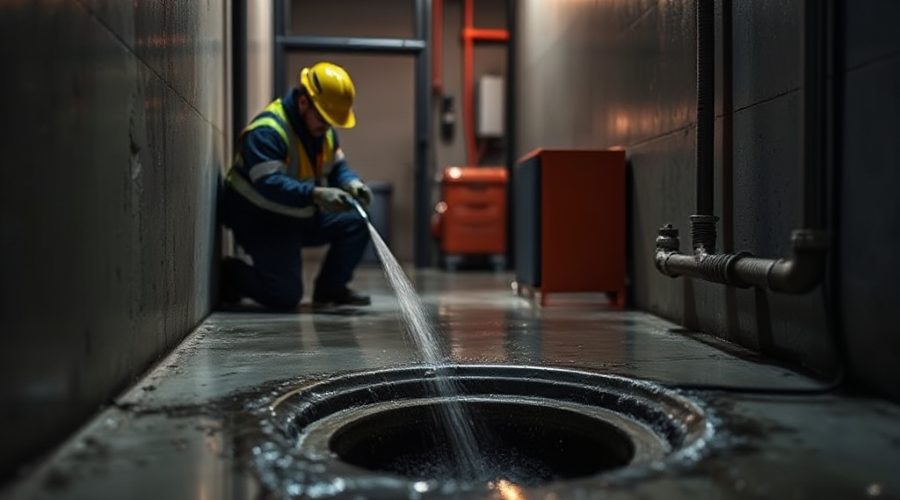
How to Handle a Clogged Drain in Vila Matilde: A Working Checklist
Most guides tell you to call a plumber and leave it at that. They skip the part that actually saves you money and mess: what to do in the first ten minutes, what to write down before anyone arrives, and how to tell a simple blockage from a failing pipe. If you live or manage property in Vila Matilde, that missing part matters. This checklist is built for people who need to act now, not read a brochure.
The short answer to “what do I do about a clogged drain here?” is: stop using water on that line, check whether the problem is one fixture or the whole property, and call a desentupidora em Vila Matilde São Paulo SP that can arrive with proper equipment rather than a hand snake. Everything below turns that into a sequence you can follow while the problem is still fresh.
What should you check before calling anyone in Vila Matilde?
Before you dial, spend five minutes gathering facts. The person on the phone will ask questions, and your answers decide whether they send a van in twenty minutes or schedule a non-urgent visit. More importantly, those facts protect you from paying for the wrong service.
Is it one drain or several?
Fill a sink or flush a toilet and watch what happens elsewhere. If the kitchen sink backs up only when you run the kitchen tap, you likely have a local blockage in that branch line. If flushing a toilet makes water rise in the shower, the problem is in the main line serving the property. That distinction changes the tool, the time and the price.
Is there a smell, a gurgle or standing water outside?
A gurgling drain usually means air is trapped behind a partial clog. A foul smell near a floor drain points to a dry trap or a buildup of grease and organic matter. Water pooling in a yard inspection box or a basement drain is a sign the main line is blocked downstream. Note which of these you see, because each one narrows the diagnosis.
Has anything changed recently?
New tenants, a recent renovation, heavy rain, or a kitchen that started disposing of more grease all matter. Construction debris and cement residue are common culprits after remodeling. If the blockage appeared right after work on the property, say so on the call. It may change the equipment needed.
Write down the address, the floor, and whether there is an accessible inspection box. A crew that knows what to expect arrives prepared and works faster, which usually means a lower final bill.
How do you work through the problem step by step?
Here is the sequence I would follow, in order, from the moment you notice the backup to the moment the line runs clear again.
Step 1: Stop adding water
Do not run the washing machine, the dishwasher or extra showers on the affected line. Every litre you add pushes more wastewater into a space that cannot drain it. If the backup is close to overflowing, stop using water in the whole property until help arrives.
Step 2: Protect the area
Move rugs, boxes and anything electrical away from floor drains. Place old towels or a bucket under the lowest point. If water is near a power outlet or appliance, switch off the breaker for that area before you touch anything. This is the step people skip, and it is the one that prevents secondary damage.
Step 3: Try only the safe, reversible fixes
A plunger on a single sink or toilet is fine. A drain snake you bought at a hardware store is fine for a short branch line if you know how to use it without scratching the pipe. What is not fine: pouring chemical drain cleaner into a line that is already backing up. Caustic products sit in standing water, can damage older pipes, and create a hazard for the technician who arrives later. Tell the crew if you already used any chemical, because they need to know.
Step 4: Call a professional and describe the symptoms
When you call, give the facts you gathered: which fixtures are affected, whether there is a smell, whether water is pooling outside, and whether the property is a house, an apartment or a commercial unit. A good desentupidora Vila Matilde will ask follow-up questions and tell you what to expect before the van arrives. If the person on the phone cannot explain the likely cause or the equipment they will bring, keep calling.
Step 5: Confirm access and access points
Make sure someone can open the gate, the inspection box and any service area. In apartment buildings, the síndico or building manager often holds the keys to the technical areas. Confirm who will be present and whether the crew needs to enter a neighbour’s unit to reach a stack or shaft. Access problems are the most common reason a job takes twice as long as quoted.
Step 6: Watch the work and ask what was found
You do not need to hover, but you should see what comes out of the line. Grease, roots, wipes, construction debris and scale each tell a different story. Ask the technician to show you the camera footage if they used one, and ask whether the blockage was a one-off or a symptom of a damaged pipe. That answer determines whether you need a repair or just a cleaning.
Step 7: Test and document
After the line is cleared, run hot water through every affected fixture and flush each toilet. Check the inspection box again. Take photos of the before and after, keep the service receipt, and note the date. If the same line backs up again within weeks, that record is your evidence that the underlying problem was not fixed.
Step 8: Prevent the repeat
Once the line is clear, change the habits that caused the clog. No wipes, no grease down the sink, no food scraps in the drain. For commercial kitchens, schedule periodic maintenance rather than waiting for a backup. For older houses, an annual check of the main line is cheaper than an emergency call at night.
What does a professional crew actually bring that you do not?
This is where the checklist turns into a comparison. A homeowner with a plunger and a bottle of chemicals is solving a symptom. A professional crew is diagnosing a system. The difference shows up in the tools.
| Tool or method | What it handles | Why it matters |
|---|---|---|
| Hand snake or plunger | Short branch clogs near the fixture | Useful for a single sink or toilet, limited reach |
| Mechanical auger | Deeper branch and main line clogs | Reaches further but can struggle with grease and roots |
| Hydro jetting | Grease, scale, roots and sediment in mains | Cleans the pipe wall rather than punching a hole through the clog |
| CCTV inspection | Identifying cracks, root intrusion and collapsed sections | Tells you whether cleaning will actually solve the problem |
| Septic tank pumping | Full or failing septic systems | Necessary when the tank, not the pipe, is the source |
Hydro jetting is not the same as snaking. A snake opens a channel through the blockage; a jet washes the pipe wall clean. For a grease-heavy kitchen line or a main with years of buildup, the second approach lasts longer. Ask which method the crew plans to use and why.
What about emergency timing and cost?
Emergencies cost more at night, on weekends and on holidays, and that is normal across the industry. The way to avoid surprises is to ask for the call-out fee, the hourly or per-metre rate, and whether inspection or jetting is included before work starts. A reputable desentupidora Vila Matilde São Paulo SP will give you a clear estimate on the phone and confirm it on site. If the price changes after arrival, ask what was found that was not visible before. Sometimes there is a legitimate reason; sometimes it is a red flag.
What are the common mistakes to avoid?
- Pouring chemical cleaner into a backed-up line and then calling a technician without mentioning it.
- Ignoring a gurgling drain until it becomes a full backup.
- Assuming a single cleared fixture means the main line is fine.
- Hiring the cheapest quote without asking what equipment and inspection are included.
- Skipping the post-service test and documentation.
One more: don’t let a building manager delay a main-line problem because “it’s only one apartment.” In a shared stack, one unit’s backup is often everyone’s problem waiting to surface.
When should you stop troubleshooting and escalate?
Escalate immediately if sewage is entering a living space, if water is near electrical panels, if the backup affects multiple units, or if the property serves vulnerable people such as a care home or a restaurant during service hours. In those cases, the checklist becomes: stop water, protect people, call for emergency service, document everything. Do not wait for a convenient appointment.
If you follow the steps above, you will spend less time guessing and less money on repeat visits. The line gets cleared, the cause gets identified, and the next clog is less likely. That is the whole point of working through a checklist instead of reacting in a panic.